
Why Is My Room So Hot Compared to the Rest of the House?
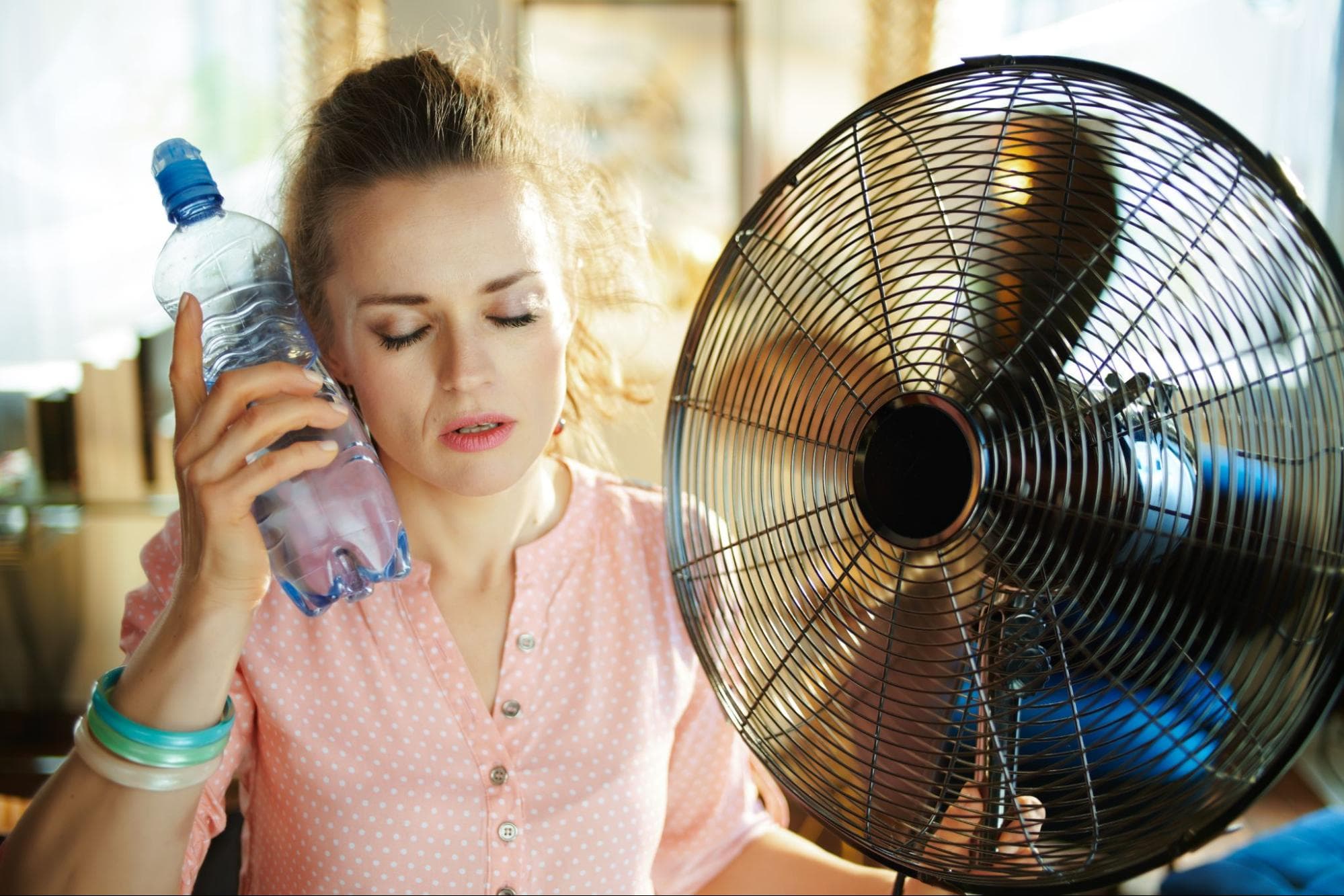
A single hot room issue often stems from poor airflow, duct leakage, solar heat gain, insulation gaps, or thermostat and HVAC zoning problems. Start with simple solutions like clearing supply and return vents, replacing a dirty AC filter, reducing direct sunlight, and keeping doors open for circulation. Persistent hot spots may indicate duct leakage, insulation issues, an undersized system, or an airflow imbalance that requires a professional diagnosis.
On this page:
Why One Room Runs Hotter Than the Rest
How to Diagnose a Hot Room
Targeted Fixes for a Single Hot Room
When HVAC or Insulation Is the Cause
Hutchinson Has Professional AC Services You Can Trust
Answers to Your Hot Room Questions
Are you wondering why your room is so hot compared to the rest of the house? Many homeowners face the same issue: one room in the house is hotter than others while nearby spaces feel fine. Common culprits include strong sun exposure, restricted airflow, duct issues, or thin insulation. Whether you are in a historic home in Philadelphia, a suburban house in Cherry Hill, or anywhere across New Jersey, Pennsylvania, and Delaware, we understand the unique comfort challenges of our region. This guide explains why your room may be so hot, how to tell if insulation or HVAC is at fault, quick checks and fixes, and when to call a pro, so you can stop asking why your room gets so hot and enjoy more even comfort.
Why One Room Runs Hotter Than the Rest
If you have ever asked why your room is the hottest in the house or why one room in your house is so hot, the answer usually ties to a few repeat issues. Identify the main driver and you can target the right solution.
Sunlight and Solar Heat Gain
South- or west-facing windows take a direct hit from afternoon sun. Single-pane glass, worn seals, and minimal shading let radiant heat stream indoors, making one room in the house hotter than others. If you wonder why your bedroom gets so hot at night, late-day heat stored in walls and furnishings can be released after sunset.
Supply and Return Airflow Problems
Closed or blocked supply vents, undersized grilles, and weak return paths trap heat. Closed doors without an undercut and blocked returns restrict circulation, leaving the room hot even when the AC runs. If you keep asking why your room gets so hot, start by checking airflow and ensuring a clear return path.
Duct Leaks, Insulation Gaps, and System Issues
Kinked, crushed, or leaky ducts reduce delivered air. Long runs through a hot attic can warm air before it arrives. Missing or thin insulation in exterior walls, over garages, or along attic knee walls lets heat pour in, which can explain why your room is so hot compared to the rest of the house. A clogged filter or weak blower further reduces airflow, so the farthest or sunniest room is often the hottest.
How to Diagnose a Hot Room
Use these quick checks to decide if the main issue is sunlight, airflow, airducts, insulation, or HVAC performance.
Airflow: Open and clear every grille. With the AC on, a tissue at each supply should move steadily; weak motion suggests a blockage or duct restriction.
Room pressure: With the door nearly closed, a strong outward push indicates poor return airflow; a strong inward pull suggests low supply.
Filter and returns: Replace dirty AC filters and clean dusty returns to restore system airflow.
Windows and sun: On sunny afternoons, feel the glass and frames. Hot surfaces point to solar gains. Check for failed double-pane seals, which may cause fogging.
Insulation: Inspect the attic and adjoining spaces above or beside the room for thin or missing insulation and gaps around lights and penetrations.
Thermostat and zoning: A hallway thermostat in a cool spot can shut the system off too soon. Verify zoning dampers and sensors function properly.
Targeted Fixes for a Single Hot Room
Reduce solar gain: Close blinds or thermal curtains during peak sun. Use cellular shades or reflective film on problem windows.
Circulate air: Use an oscillating fan to mix air and draw cooler air from adjacent spaces. Fine-tune registers by opening them more in the hot room and slightly reducing airflow in cooler rooms. Avoid closing many vents.
Seal and insulate: Weatherstrip exterior doors, caulk window gaps, seal accessible duct joints with mastic or UL-181 foil tape, and insulate ducts in hot attics.
Improve return paths: Add a door undercut, transfer grille, or jump duct so air can return freely even with the door closed.
When HVAC or Insulation Is the Cause
If the hot room problem persists, your HVAC or insulation may be to blame. Signs include a 3 to 6°F gap between rooms, whistling vents, weak airflow at distant registers, very warm surfaces near the hot room, or long run times with poor results. These point to duct leakage, poor insulation, or an undersized or imbalanced system, which are common reasons one room is much hotter than the rest of the house.
Hutchinson Has Professional AC Services You Can Trust
If you are still asking why your room gets so hot or why it is so much hotter than the rest of the house, a professional evaluation can pinpoint duct leakage, insulation gaps, or system imbalances and recommend solutions such as duct sealing and balancing, added returns, air sealing and insulation upgrades, HVAC zoning, or a ductless mini-split for targeted control. Whether you're in New Jersey, Pennsylvania, or Delaware, our expert technicians are ready to restore your home's comfort. With the right diagnosis and fixes, you can stop dealing with one room that is hotter than the others and enjoy consistent comfort throughout your home.
Frequently Asked Questions
Why is my bedroom hotter than the rest of the house?
Sun-facing windows, trapped air from a weak return, duct losses, and thin insulation can make that room hotter. Address solar gain and ensure balanced supply and return airflow.
What causes one room to be warmer than others?
Solar heat gain, blocked or undersized vents, leaky or long ducts in hot spaces, and thermostat or zoning issues are typical causes.
How can I tell if poor insulation is making my room hot?
Look for hot wall or ceiling surfaces on sunny afternoons, uneven attic coverage, exposed knee walls, and heat around recessed lights. Thermal imaging or a professional assessment can confirm.
Could my HVAC system be the reason one room is hotter?
Yes. An undersized system, dirty filter, weak blower, imbalanced ducts, or stuck dampers can leave one room in the house hotter than others even with the AC running.
Why does my bedroom get so hot at night?
Afternoon sun loads the room, while heat stored in walls and furnishings releases after sunset. Electronics and closed doors add warmth. Improve shading, run low-speed circulation, and ensure a return path. If your bedroom is still hot at night, check ducts and insulation.
Related Articles
What do you need help with today?
Heating
No heat, strange smells, rising bills? We repair and replace heating systems to keep your home reliably warm.
Air Conditioning
AC blowing warm air? Uneven cooling in your rooms? We fix cooling issues fast and keep your system running smoothly all summer.
Plumbing
Our highly trained plumbers handle it all, from leaky faucets to full system installations and repipes.
Electrical
The smartest team in town. You need repair, installations, wiring, inspections, lighting — you name it.